After Extraction of Wisdom Teeth
Most wisdom teeth removals are done under IV sedation. We will discuss anesthesia options and potential surgical risks during your initial consultation. After extraction, the soft tissue is sutured to promote healing and reduce pain. To control bleeding, please bite down on gauze for about 2 hours post-surgery.
You will rest in our office until you are ready to go home. Upon discharge, you’ll receive a care package containing post-operative instructions, prescriptions for pain medication and antibiotics, and information for any necessary follow-up appointments. Feel free to call us at Precision Oral and Maxillofacial Surgery at Precision Oral and Maxillofacial Surgery Phone Number (623) 518-2325 with any questions.
Post-Removal Experience
In the first day after surgery, some minor bleeding and pain are common. Pain levels can vary from mild to severe, and swelling may peak around the second or third day, typically resolving by day four. To minimize swelling, apply ice to the affected areas for 24-48 hours after surgery, even if it’s uncomfortable at first.
On day three, you may notice stiffness in your jaw, making it hard to open your mouth. Applying moist heat on days four or five can help relax your jaw muscles. We recommend limiting your activities for about a week, following post-operative instructions closely to ensure a comfortable recovery. Most patients feel improvement in 3-5 days.
Possible Complications After Extraction
Every surgical procedure carries some risk, and potential complications include delayed healing, infection, dry socket, sinus communication, and temporary numbness or tingling in your gums, lips, or tongue due to nerve damage. Other problems in the post-operative period include stiffness of the jaws (trismus), chafing around the corners of your lips, facial bruising, and oozing from the extraction sites. Dr. Ali will review these possibilities with you during your consultation.

Damage to Sensory Nerve:
A primary concern is the nerve located in the lower jaw that provides sensation to your lip, teeth, chin, and tongue.
This nerve is often close to the roots of the lower wisdom teeth.Removing these teeth at a younger age typically leads to shorter roots, reducing the risk of nerve injury.
If nerve damage occurs, symptoms may include tingling or numbness in the gums, lower lip, chin or tongue; this is usually temporary but can take weeks or months to resolve.Rarely, it may result in lasting changes in sensation.
Sinus Communication:
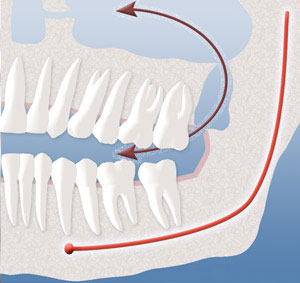
The upper wisdom teeth are near your sinuses, and their removal can sometimes create an opening between your mouth and sinus. This risk is lower if the teeth are extracted early.
If this occurs, it usually heals on its own; however, we may provide specific instructions for 4-6 weeks following surgery. Avoid actions that could disturb the healing area. I
f you notice signs of this issue, please contact us, as additional treatment may be needed
Dry Sockets:
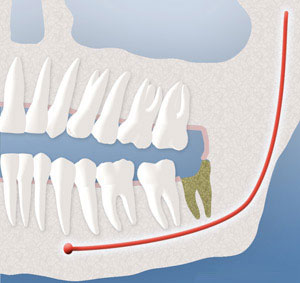
Dry socket is a common complication that happens when a blood clot in the extraction site dissolves early, often more frequent in smokers or those taking birth control pills.
It tends to occur in the lower jaw about 3-5 days after surgery, leading to a dull, persistent pain. Treatment may include adjusting pain medications or placing a medicated dressing in the socket for pain relief.
Infection:
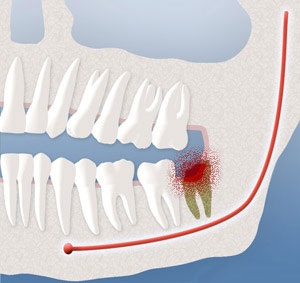
Infection can occasionally occur post-surgery and often requires an office visit for evaluation. Usually, a course of antibiotics will resolve the issue, but in some cases, drainage may be necessary.
Ready to Schedule a Consultation?
We offer a number of dental treatments that will keep your mouth healthy and your smile beautiful. Contact us today!